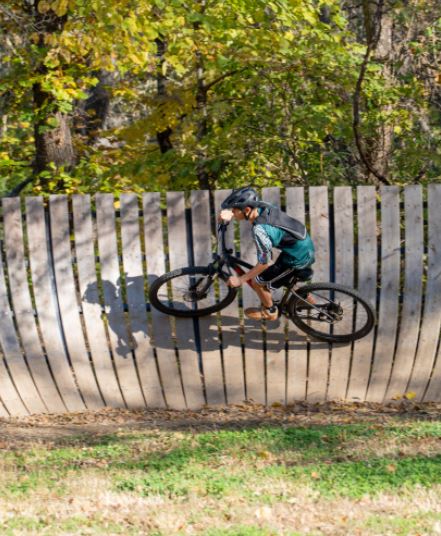
The Evolving Spirit of Singletracks: Exploring Trails, Freedom, and the Culture Behind the Ride
Singletracks has become more than just a word tossed around in the mountain biking community. It represents a feeling, a lifestyle, a specific kind of ride that blends terrain, mindset, and culture into one addictively smooth line. When riders talk about singletracks, they often mean more than a narrow ribbon of dirt in the woods. They mean connection—to the trail, to the bike, and to the deeper experience that comes from moving through wild places under your own power.
- The Evolving Spirit of Singletracks: Exploring Trails, Freedom, and the Culture Behind the Ride
- The Soul of Singletracks and Why Riders Are Drawn to Them
- The Appeal of Natural Flow and Technical Challenge
- How Singletracks Shape Community and Rider Culture
- The Connection Between Singletracks and Adventure
- The Role of Trail Design in the Singletracks Experience
- The Future of Singletracks in a Changing Outdoor Landscape
There’s something quietly transformative about singletracks. Whether they wind through pine forests, desert mesas, rolling hills, or rugged backcountry, each trail carries its own personality. And when you drop in, you become part of that personality. Riders keep returning not because singletracks are predictable, but because they’re always changing. Soil shifts, leaves fall, rocks move, roots grow, and weather alters the mood of a trail in ways that make every ride feel fresh, even if you’ve done the same loop countless times.
The Soul of Singletracks and Why Riders Are Drawn to Them
Singletracks have a magnetic pull that goes beyond their technical features. Riders often describe them as places where the world narrows down to one clear path, both literally and mentally. When you’re flowing down a stretch of singletracks, everything else falls away. The chatter of everyday responsibilities fades, replaced by the rhythmic hum of rolling tires and the sound of wind pressing against your jersey. Many say this meditative quality is what keeps them hooked.
Another reason riders love singletracks is the intimacy they offer with the terrain. Unlike wider forest roads or shared multi-use paths, singletracks bring you closer to the environment. You feel every slight gradient change, every tight corner, every root cluster asking for just the right amount of finesse. It’s not simply a ride; it’s an ongoing conversation between human, machine, and Earth. And the more singletracks you explore, the more fluent you become in that language.
On top of that, there’s a sense of authenticity attached to singletracks. They feel pure. Raw. Untamed. Whether built by dedicated volunteers or shaped naturally by years of use, singletracks carry a sense of history. You know the trail has seen countless riders before you, each adding their energy to its character. There’s something deeply satisfying about being part of that lineage, even if just for a moment.
The Appeal of Natural Flow and Technical Challenge
One of the most beloved qualities of singletracks is their flow. Flow isn’t something that can be easily manufactured or forced; it emerges when the terrain, the builder’s vision, and the rider’s skill harmonize. On a good stretch of singletracks, you’ll find yourself leaning effortlessly into turns, pumping through dips, and maintaining speed without even touching the brakes. It feels organic, like drifting through nature on a line that was always meant to exist.
But the flow isn’t the only appeal. Singletracks often incorporate a variety of technical challenges that keep riders sharp and engaged. Rocks, roots, tight squeezes, off-camber sections, and steep climbs are part of the ecosystem. These elements don’t exist to punish you—they’re there to test your bike handling instincts and help you grow. Each challenge builds confidence, teaching you new ways to adapt and react on the move.
This blend of fluid motion and focused precision is what makes singletracks so addictive. You’re constantly shifting between relaxation and alertness, which creates a uniquely satisfying rhythm. And the more you ride singletracks, the better you understand your own potential. It’s not just about conquering the trail; it’s about discovering what you’re capable of when the path narrows and demands your full presence.
How Singletracks Shape Community and Rider Culture
Singletracks have a remarkable ability to bring people together. Ride groups, local clubs, and trail-building teams often form around a shared love for exploring and maintaining these narrow routes. It’s common to show up for an early session and immediately make friends who share your enthusiasm. There’s something about gathering at the trailhead, sharing stories, comparing setups, and anticipating the ride ahead that naturally builds a sense of camaraderie.
This culture extends beyond casual rides. Many communities organize volunteer days dedicated to maintaining and improving their local singletracks. People who otherwise might not cross paths come together with tools, sweat, and a shared mission: to preserve the magic of the trails they love. These projects often forge deep bonds between riders, strengthening the community and reminding everyone that singletracks don’t exist by accident—they’re cared for by people who love them.
The culture around singletracks also embraces a spirit of progression. Riders encourage each other, offer tips, and celebrate milestones. Whether someone clears a tricky rock garden for the first time or finally feels comfortable with a particular descent, the community is quick to cheer them on. This supportive environment makes singletracks feel less like isolated experiences and more like shared adventures that grow richer over time.
The Connection Between Singletracks and Adventure
For many riders, singletracks represent freedom. They’re gateways to exploration, leading deep into forests, across open plains, along mountain ridges, or through deserts where the horizon seems endless. Riding singletracks often feels like stepping into a story where each twist and turn adds a new layer of excitement. You never quite know what you’ll encounter—a sudden view, an unexpected challenge, or a stretch of trail so smooth and serene it feels like a dream.
This sense of adventure keeps riders hungry for more. Exploring new singletracks becomes a hobby within the hobby, and many riders even plan entire trips around discovering fresh trails. It’s not just about ticking places off a map; it’s about embracing the unexpected and surrendering to the thrill of the unknown. Every new singletrack offers a chance to learn something new, experience a different landscape, and engage with the world in a way that other forms of outdoor recreation rarely match.
What makes these adventures even more rewarding is the self-reliance they cultivate. When you’re miles into a network of singletracks, you rely on your skills, instincts, and preparation. This fosters confidence and independence, qualities that naturally translate to everyday life. There’s a profound satisfaction that comes from navigating long, winding routes and arriving at a trailhead knowing your mind and body carried you through.
The Role of Trail Design in the Singletracks Experience
The magic of singletracks doesn’t happen by accident. Trail builders play a crucial role in shaping how riders experience the terrain. Skilled builders understand how to read the natural landscape, identify the best lines, and create routes that highlight the land’s character without overpowering it. Great singletracks often feel like they’ve always belonged there, even when they’re the result of careful planning.
Trail design takes into account factors like soil type, elevation changes, water flow, and sustainability. Builders know that a well-crafted trail should be enjoyable while also minimizing environmental impact. They sculpt the terrain in ways that reduce erosion, manage runoff, and preserve surrounding plants and wildlife. This balance between enjoyment and responsibility is part of what makes singletracks so special—they become living, breathing parts of the environment.
When riders encounter a beautifully built section of singletracks, they often feel it immediately. The turns feel intuitive, the obstacles feel challenging but fair, and the flow feels effortless. This harmony between design and experience is what elevates good trails into unforgettable ones. And for many riders, gaining an appreciation for trail design deepens their connection to the sport and inspires them to get involved in trail stewardship.
The Future of Singletracks in a Changing Outdoor Landscape
As outdoor recreation continues to grow, singletracks are poised to become even more central to the biking community. More people are discovering the physical, mental, and social benefits of riding, and communities are responding by advocating for increased trail access. With the right support, singletracks can expand into areas that currently lack established networks, offering new riders a chance to experience the joy of riding in natural spaces.
However, the growth of singletracks also brings challenges. Increased usage can strain trails, requiring more maintenance and thoughtful planning. Climate change impacts soil conditions, water patterns, and vegetation, all of which affect trail longevity. Communities must work together to protect their singletracks, ensuring they remain safe, sustainable, and enjoyable for future riders.
The future of singletracks lies in collaboration—between riders, builders, land managers, and conservation groups. With shared goals and open communication, these trails can continue evolving in ways that honor both nature and the riding experience. And as technology improves and trail-building methods evolve, the possibilities for new forms of singletracks become even more exciting