
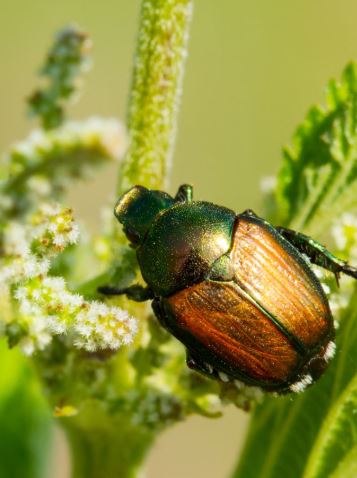
Beetles are small, hard-shelled insects that live almost everywhere on Earth. From forests to deserts, from sacred ancient tombs to modern gardens, these creatures have been observed by humans for thousands of years. But beyond their biological presence, beetles hold deep symbolic significance in many cultures, religions, and personal belief systems around the globe. To truly grasp the essence of beetle symbolism, we must look beyond their tiny bodies and explore the vast web of meanings people have attached to them across time and space.
- The Ancient Roots of Beetle Symbolism
- The Beetle as a Symbol of Transformation
- Beetle Symbolism in Dreams: What It Might Mean
- Spiritual Meanings Attributed to Beetles
- Beetle Symbolism in Nature and Ecology
- Cultural Interpretations of Beetle Symbolism Around the World
- Modern Perspectives: Beetle Symbolism in Art and Media
- How to Interpret Beetle Symbolism Personally
- Conclusion: The Enduring Allure of Beetle Symbolism
It’s easy to overlook a beetle as simply another bug, but once you begin to understand what it represents, you open a doorway into ancient wisdom, psychological insight, and spiritual depth. Whether you are curious about cultural symbolism, exploring personal meaning, or just fascinated by the natural world, this journey through beetle symbolism is rich, layered, and surprisingly profound.
In the sections that follow, we will explore how beetles have been revered, feared, interpreted, and celebrated by different peoples. We will uncover what it means to see a beetle in dreams, art, and daily life. We will unfold how this tiny creature connects to themes of transformation, protection, luck, and more. Get ready to dive deep into the symbolism of the beetle and discover why this unassuming insect continues to captivate human imagination.
The Ancient Roots of Beetle Symbolism
When we look back into the earliest civilizations, we find that beetles were not just insects—they were powerful symbols.
Among the ancient Egyptians, scarab beetles were especially significant. These insects were associated with the movement of the sun, rebirth, and the eternal cycle of life. Egyptians saw the scarab rolling its ball of dung as an earthly reflection of the sun god pushing the sun across the sky. This idea of cyclical motion became a metaphor for regeneration and the constant renewal of life.
The symbolic weight of these beetles was so profound that amulets, carvings, and artwork featuring them were widespread. People carried these tokens as protective charms, believing they held divine energy and the promise of spiritual resurrection. For them, beetle symbolism was not an abstract idea but a living part of their spiritual and daily life.
Elsewhere in the ancient world, beetles also played symbolic roles. In East Asian cultures, beetles were admired for their strength and durability. In Native traditions, they were sometimes seen as messengers between humans and the spirit realm. Across these diverse cultural landscapes, beetle symbolism emerged again and again as a symbol of deeper truths about existence.
The Beetle as a Symbol of Transformation
One of the most pervasive themes in beetle symbolism is transformation. This meaning stems visually and metaphorically from the incredible life cycle of these insects.
Beetles undergo a complete metamorphosis. They begin as eggs, become larvae, develop into pupae, and emerge as winged adults. Watching this cycle is witnessing transformation in its rawest form. This remarkable process has long inspired people to see beetles as ambassadors of change.
Transformation, in many spiritual and psychological traditions, is not only about outward change but about inner evolution. When someone contemplates beetle symbolism, they may be encouraged to think about their own life journey, phases of growth, and personal reinvention. The beetle becomes a reminder that change is possible, natural, and often beautiful.
For those who feel stuck, the presence of beetle symbolism may suggest a period of inner restructuring or preparation for something new. Just as the beetle emerges from its cocoon-like pupa, we too can shed old patterns and step into new ways of being. In this sense, beetle symbolism becomes a source of inspiration and hope, guiding us toward transformation with courage and grace.
Beetle Symbolism in Dreams: What It Might Mean
Dreams are a mysterious and powerful aspect of human consciousness. Many people believe that the symbols we encounter in dreams carry messages from our subconscious or intuitive minds. Beetles, when they appear in dreams, often stir curiosity.
Because beetles are connected to transformation, seeing one in a dream may relate to personal change or psychological development. Perhaps something in your life is evolving in ways you haven’t fully recognized yet. The dream beetle might be nudging you to pay attention.
But not all dream beetle experiences mean the same thing. For some, a dream beetle might represent persistence or resilience. These insects are survivors; they endure harsh conditions and adapt quickly. If you encounter a beetle in a dream during a challenging time, it might symbolize your inner strength and capacity to keep going.
In other cases, a dream beetle could point to feelings of being overwhelmed or bothered by small annoyances. Sometimes our minds reflect our daily irritations symbolically, using tiny creatures to represent nagging thoughts or worries.
Understanding beetle symbolism in dreams requires exploration and reflection. Think about what is happening in your life, the emotions you felt during the dream, and how you felt upon waking. The meaning is often personal, layered, and rich with insight.
Spiritual Meanings Attributed to Beetles
Across spiritual traditions around the world, beetles have been assigned various metaphysical meanings.
One common interpretation links beetle symbolism to protection. In many cultures, beetles were believed to ward off evil, negativity, and harmful forces. The hard shell of the beetle was seen as a natural armor—a sign that the spirit of protection was embedded in the creature itself.
Beetles are also associated with grounding energy. Because these insects live close to the earth, burrow, and interact directly with the soil, they symbolize connection to the material world and the foundational structures of life. If you are seeking stability or balance, paying attention to beetle symbolism might encourage you to stay grounded, anchored, and present in your physical reality.
Moreover, beetles may represent patience. These creatures move methodically; they do not rush. In spiritual interpretation, this slow and steady presence is a reminder that life unfolds in its own time. Pushing too hard can disrupt harmony, whereas moving with intention and patience aligns us with our deeper purpose.
Beetle symbolism can therefore work on multiple spiritual levels—offering protection, grounding, patience, and overall harmony within life’s complex web of experiences.
Beetle Symbolism in Nature and Ecology
While symbolic meanings often stem from cultural interpretations, the natural world provides its own language of significance through the behaviors and roles of beetles.
Beetles are among the most diverse groups of animals on the planet. They thrive in almost every habitat, eat a wide variety of foods, and play essential roles in the ecosystem. Some beetles help decompose decaying matter, returning nutrients to the soil. Others pollinate plants or serve as food for larger creatures. This ecological richness makes beetles symbols of interconnectedness—the understanding that all life forms, no matter how small, contribute to the greater balance of nature.
Seeing beetle symbolism from an ecological perspective reminds us that every being has purpose and value. When we honor that perspective, we begin to see ourselves as part of a larger ecosystem, not separate from it.
Beetles also exemplify resilience. Their ability to adapt to diverse environments mirrors life’s capacity to bend, adjust, and survive under changing conditions. This ecological symbolism invites us to learn from the natural world—not just admire it.
Cultural Interpretations of Beetle Symbolism Around the World
Cultures around the world have assigned unique meanings to beetles, demonstrating how diverse human imagination can be.
In Africa, certain beetles have been honored as symbols of transformation and spiritual journey. In Native American traditions, beetles sometimes appear in stories as messengers of wisdom or reminders of humility. In Japan and other parts of East Asia, beetles can represent strength and vigor because of their powerful exoskeletons and dramatic physical presence.
In European folklore, beetles have appeared in tales of fortune, protection, and even mischief. Some communities believed that encountering a beetle could bring good luck—or, conversely, signal a weather change or shift in fortune.
Each cultural interpretation offers a distinct lens through which to view beetle symbolism. Taken together, these meanings create a rich mosaic of human understanding. They remind us that symbols are alive; they evolve alongside human stories and collective imagination.
Modern Perspectives: Beetle Symbolism in Art and Media
Today, beetle symbolism continues to appear in art, literature, psychology, and media. Artists are drawn to the striking geometry of beetle shells, the shimmering colors of their exoskeletons, and the mysterious aura that surrounds them. Beetles have inspired paintings, sculptures, jewelry designs, tattoos, and fashion motifs.
In literature and film, beetles often represent transformation, mystery, or the unexpected. Writers use the symbolism to evoke a sense of wonder, highlight psychological themes, or explore identity. The metaphorical power of beetles remains strong in creative works because these creatures embody both simplicity and complexity.
Psychologists have even used beetle symbolism in therapeutic contexts. As representations of change, growth, and resilience, beetles can help individuals explore their own inner transformations. Discussing beetle symbolism in therapy can tap into unconscious associations and bring hidden insights to light.
In popular culture, beetle symbolism shows up in music, branding, and storytelling, proving that this ancient symbol still resonates deeply in modern life.
How to Interpret Beetle Symbolism Personally
Understanding beetle symbolism isn’t just an intellectual exercise; it can be a deeply personal experience.
If you find yourself noticing beetles frequently, try paying attention to your intuition. Ask yourself what is happening in your life—are you undergoing change, seeking protection, or needing grounding? Consider keeping a journal of your impressions and feelings. Reflecting on beetle symbolism consciously can reveal patterns and messages relevant to your inner world.
Another way to interpret beetle symbolism is through meditation or contemplation. Visualize the beetle and consider what phrases or sensations come up. Often the symbolic message speaks in imagery, feelings, or subtle nudges rather than direct words.
Remember, meaning is not fixed—beetle symbolism may shift as your understanding grows. What a beetle represented to ancient peoples might differ from what it symbolizes to you today. That flexibility is part of its power.
Conclusion: The Enduring Allure of Beetle Symbolism
Beetle symbolism transcends borders, belief systems, and eras. From sacred temple walls to quiet moments in nature, from dreams to art galleries, beetles carry meaning that is both ancient and alive. They remind us of transformation, resilience, protection, and the beauty of slow, steady strength.
Symbols are companions on the human journey, guiding us as we navigate change and meaning. The beetle teaches us to look beyond appearances and listen to deeper rhythms within ourselves and the world around us. By embracing the lessons of beetle symbolism, we connect with a wisdom that is practical, poetic, and profoundly human.
Next time you see a beetle crossing your path, take a moment. Breath in the symbolism it carries—perhaps an invitation to change, to protect, or simply to stay grounded. In that humble insect, you may discover something far greater than meets the eye