Curtain Bangs: The Effortlessly Chic Fringe You’ve Been Wondering About
If you’ve ever eyed those soft, face-framing pieces of hair that part in the middle (or just off-centre) and gently drape like gentle curtains over the forehead—yes, that hairstyle is called curtain bangs. They’re having a major moment. While the term might sound a little dramatic, the look itself is surprisingly wearable, adaptable, and—dare I say—low-key glamorous. Let’s dig into what they are, why they work, how to pick the right version for you, how to style and maintain them, and yes, what to watch out for if you’re thinking of taking the plunge.
- What are curtain bangs?
- Why curtain bangs have become so popular
- How to decide if curtain bangs are right for you
- Face shape & features
- Hair texture & growth pattern
- Lifestyle & maintenance mindset
- Consultation is key
- The cut & styling breakdown: How to get it right
- The cut: what the stylist should know
- Daily styling: easy routines to keep them looking good
- Growing out & minor tweaks
- Best types of curtain bangs for different hair lengths & textures
- Short hair (pixie, bob, lob)
- Medium length hair
- Long hair & layered textures
- Hair texture considerations
- The pros and cons of curtain bangs
- Styling inspiration & variation ideas
- Soft flicked outward
- Wispy and lightweight
- Long curtain bangs
- Textured or layered version
- Curly/wavy curtain bangs
- Styling for second-day hair & wear-down options
- Care and maintenance: Keeping curtain bangs looking good
- Regular trims
- Cleanliness of the front section
- Styling tools & heat protection
- Way to sleep
- Season & climate adjustments
- Common mistakes (and how to avoid them)
- Cutting too short or too heavy
- Ignoring hair texture
- Under-estimating styling time
- Not blending with the rest of your hair
- Skipping the grow-out plan
- Would I recommend them—and when might you skip them?
- Final thoughts
What are curtain bangs?
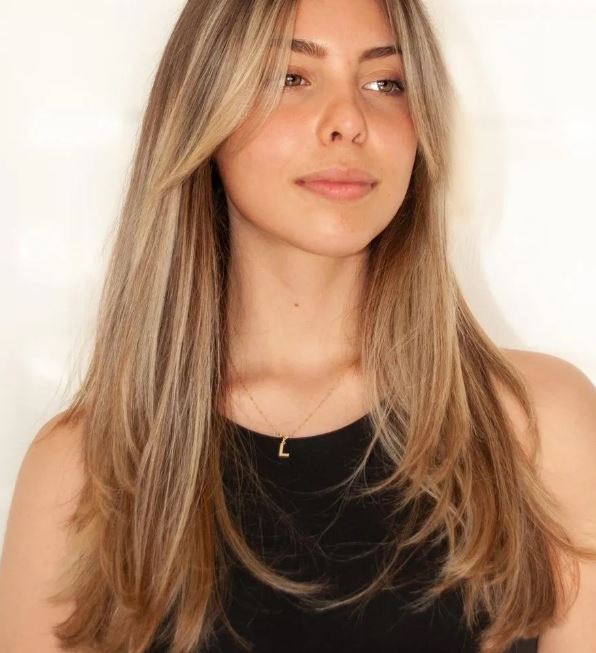
Curtain bangs are a fringe style where the hair in front is cut to frame the face in long, sweeping pieces rather than in a straight, heavy line. According to stylist and trend-coverage sources, they tend to be shorter in the centre above the brow (or around it) and longer on either side, tapering toward the temples or cheeks.
This shape creates a soft “curtain” effect around the face—hence the name—with the bangs parting (or naturally falling) from the centre or a slightly off-centre line and gently sweeping to the sides. They differ from blunt bangs in that they’re less heavy, less aggressive, more forgiving and adaptable.
In essence: you get the idea of a fringe without fully committing to rigid, heavy bangs that might demand high maintenance. They tend to blend into the rest of your hair more fluidly, and often they can be more flattering and lower-stress to live with.
Why curtain bangs have become so popular
There are plenty of reasons why curtain bangs are trending—and why they might be a smart choice if you’re thinking of a change but don’t want something drastic.
Versatility and face-framing magic
One big appeal is that they’re universally flattering—or at least, more so than many bangs. Hairstylists note that the shape creates softness, enhances cheekbones and brows, and helps frame the face in a flattering way. In short, they make your face look good without being overly fussy.
Also, they can suit a wide variety of hair textures—from straight to wavy to loosely curly—because the cut can be adapted by a capable stylist to the type of hair you have. That adaptability makes them a “go-to” for many.
A “lighter” bangs option
One of the reasons people shy away from traditional bangs is the fear of heavy maintenance (“What if they look awful tomorrow?”, “What if they grow out weird?”, “What if they get greasy fast?”). Curtain bangs often feel like a safer gateway into the world of bangs. They’re less severe; they tend to grow out more gracefully; they don’t hit at a harsh, blunt line. That means fewer regrets and fewer “bang regret” stories (though yes, you still have to style them).
On-trend yet timeless
Fashion and beauty cycles move fast, but some styles stick because they work. Curtain bangs draw from past eras (think ‘70s flicked fringe, ‘90s face-framing pieces) while having a modern update. They show up on the red carpet, in street style, in everyday salon edits. They feel fresh without being gimmicky.
So if you want a style that feels current yet not overly trendy (i.e., you won’t look dated six months later), curtain bangs deliver that balance.
How to decide if curtain bangs are right for you
Before you rush into the salon chair, it’s worth spending a little time assessing whether curtain bangs will suit you—your hair type, your lifestyle, your face shape, your styling habits. Here are the key questions and considerations.
Face shape & features
While many stylists say curtain bangs can work on most face shapes, there are nuances. The framing effect can soften a long face, balance a square or angular jawline, and draw attention to the eyes and cheekbones.
If you have a shorter forehead, very fine hair, or extreme cowlicks at the fringe line, you may need to tweak the style (for example make the bangs a bit longer or lighter) so it doesn’t overpower your face.
Hair texture & growth pattern
Your natural hair texture matters. If you have very coarse, very curly hair, you’ll likely need more maintenance to make the curtain bangs sit nicely, because the shorter front pieces might behave differently than the rest of your hair. Vogue points this out.
On the other hand, if your hair is straight or has a gentle wave, curtain bangs tend to be relatively low-effort and integrate nicely. The challenge may be with hair that is ultra-fine (it can fall flat) or super thick (it can feel heavy around the face).
Lifestyle & maintenance mindset
Here’s an often overlooked part: bangs = more front-of-face hair = more potential fuss. You’ll want to consider how much time you’re willing to spend styling them (blow-drying, brushing, maybe a quick curl at the ends). Also, because the bangs are near the forehead, they’re more likely to get oily or pick up product/sweat/makeup faster. Vogue India
So if you’re someone who wants zero styling each morning, curtain bangs may still work—but you’ll need to accept a little routine (even if it’s 5-10 minutes) to keep them looking their best.
Consultation is key
One of the best pieces of advice is: talk to your stylist with good references, discuss your hair’s nature, show what you like, and ensure that what you imagine can work for you. As one stylist puts it: “Always have your bangs cut by a professional who will give you a consultation first, taking into account your face shape, features, and lifestyle.”
The cut & styling breakdown: How to get it right
Getting curtain bangs to look good isn’t just about chopping hair randomly across the forehead. It’s about thoughtful shaping, blending, and styling. Here’s how to approach it from cut to daily styling.
The cut: what the stylist should know
When you’re in the salon chair, these are important details to consider:
- The part: Curtain bangs usually work best with a middle-part or slightly off-centre part. The hair is cut to sweep away from the centre and frame the face.
- Length: The shortest part is usually at or just above the forehead/brow, and the longer sides may cascade toward the cheekbones or even further, depending on the look.
- Weight & layering: The bangs should blend into the rest of your hair rather than sit like a heavy line. Soft layering or texturising helps avoid the dreaded “helmet front”.
- Adaptation to your texture: If your hair is wavy or curly, your stylist might cut a little longer to account for shrinkage or movement. If your hair is straight, you might get more defined sweeping.
- Blow-dry test: A good stylist will check how the bangs sit when dry (or partially dry) to ensure the shape works in real life and not just while wet.
Daily styling: easy routines to keep them looking good
Once the cut is done, you’ll need some simple styling to keep curtain bangs looking polished.
- Start with clean hair: Because bangs lie across the forehead, they pick up build-up faster. A lightweight shampoo and conditioner help.
- Blow-dry with a round brush: For straight or slightly wavy hair: part the bangs as desired, place a round brush under one side of the front section, blow-dry downward and away from the face, repeating on the other side. This gives that soft flick.
- For wavy or curly hair: You can let the bangs air-dry a little and then use a flat iron or small curling iron to flip the ends outward or inward to match your texture. The key is to maintain that “opening” effect at the front.
- Use the right product: If you struggle with flat bangs, try a root lift spray or volumizing mousse at the crown and front. If you struggle with frizz, a touch of hair oil through the bangs helps.
- Micro-maintenance between washes: Use dry shampoo if the bangs look greasy early. Brush the front section regularly so it keeps its shape. Sometimes a quick roller or flat-iron flick in the morning can make all the difference.
- Sleeping tip: Some stylists suggest using a soft roller or twisting the front section gently away from the face before bed to maintain the sweep.
Growing out & minor tweaks
Because curtain bangs are a bit forgiving, growing them out tends to be less dramatic than full blunt bangs. However, you’ll still want to maintain the shape:
- Trims every 4-6 weeks (or when you notice the front pieces losing their shape) help keep things fresh.
- If the sides get too long, they may start collapsing into your cheeks and lose the framing effect—you might need a slight trim.
- If you want to change the part (middle to side, or vice versa), your stylist can adapt the sweep of the fringe accordingly.
- If you’re bored or want a change, curtain bangs can evolve: you might lighten them, add soft layers, or blend them further into a longer face-framing layer.
Best types of curtain bangs for different hair lengths & textures
One of the beauties of curtain bangs is that they can work across many hair lengths and textures. Here are suggestions for how to adapt them based on your hair length and texture type.
Short hair (pixie, bob, lob)
If you have short hair—a bob, lob, or even shorter—a set of curtain bangs can instantly soften the look. As one style guide notes, pairing curtain bangs with a blunt bob creates a nice contrast between the sharp length and soft front pieces.
For a bob with curtain bangs: keep the bangs slightly longer so they bridge from brows to cheekbones, so they don’t look too heavy. Texturising the ends of the bangs or adding a slight flick outward can prevent the totally symmetrical “helmet” look.
Medium length hair
For shoulder length or just below, curtain bangs can add movement and layer without sacrificing length. They can blend into long layers or waves and give a chic “behind the ears” tuck-away option. Guides mention that for medium-length hair, the bangs shouldn’t be too full or heavy, especially if you have finer hair.
Having the bangs slightly longer (nose-bridge to tip length) means you can push them aside, tuck them behind the ear, or sweep them for a relaxed day look.
Long hair & layered textures
If your hair is long, curtain bangs can provide that face-framing without cutting the rest of your length. They serve as the accent while you keep the length you love. One style guide calls it “long curtain bangs, when blended into a C-cut, look like they were supposed to be there all the time”.
For layered or textured long hair, letting the bangs sit at cheekbone length or longer ensures they flow seamlessly into the rest of your hair and avoid appearing as a separate piece.
Hair texture considerations
- Straight/fine hair: Curtain bangs can help add shape and frame the face nicely. But you’ll want some styling so the bangs don’t fall flat or stick to the forehead.
- Wavy hair: This is ideal for curtain bangs because the natural movement pairs nicely. You might just enhance the shape with a round brush or curling iron.
- Curly/coarse hair: It can work, but you’ll likely need a skilled stylist to cut the curtain bangs a little longer (accounting for shrinkage) and you may need more frequent styling to keep them from looking heavy or out of shape. Vapor the hair with heat protectant and use shaping products for the front section.
- Thick hair: The framing effect can be bold and impactful, but if your bangs are very thick they might feel heavy or overwhelming; ask for soft layering or texturising at the front.
The pros and cons of curtain bangs
No hairstyle is perfect for everyone. Here are the typical advantages and drawbacks of curtain bangs so you can weigh your decision.
Pros
- They’re flattering and soft-framing: Because the cut is less harsh than a blunt fringe, they typically look more natural and aged-gracefully.
- Versatile: Can be adapted to many lengths, textures, and styles.
- Grow-out friendly: Because the sides are longer and they blend into your hair, the grow-out phase is often less awkward than with straight-across bangs.
- Trendy but timeless: They have that modern feel yet won’t look extremely dated quickly.
- Face-framing: The way they open up the face, highlight the eyes and cheekbones can give your overall look more structure and softness at once.
Cons
- Styling time: While not extreme, you still need to style them reasonably well to make them look intentional rather than sloppy. A bit of blow-drying or tool-work is usually involved.
- Maintenance: You’ll want regular trims and you’ll need to manage oil, sweat, or product build-up on the front section of hair. As experts note, bangs absorb oil, makeup, SPF, etc.
- Not totally no-commitment: Once the bangs are cut, they’re there. If your lifestyle changes (e.g., you’ve got a crazy morning rush every day), you may find them less convenient.
- Texture mismatch risk: If your hair texture is extreme (very curly/coarse or ultra-fine) without adaptation, the look may not sit as well without styling help.
- Grow-out in some cases still tricky: While easier than some bangs, there’s still the possibility of an in-between phase where the front pieces don’t blend perfectly into your rest of hair.
Styling inspiration & variation ideas
If you’re already sold on curtain bangs (or just intrigued), here are some variations and looks to consider that can tailor the style to different moods or occasions.
Soft flicked outward
Classic curtain bangs often have a gentle flick outwards at the ends of the front pieces, which helps open up the face and avoid hair falling straight down. This gives a flicky ‘70s or ‘90s retro feel (but updated). You can achieve this with a round brush and a blow-dry or with the end of a straightener gently turned outwards.
Wispy and lightweight
If you prefer something more delicate, ask for a lighter version of curtain bangs: thinner front pieces, softer layering, and less bulk. This version is ideal if you have fine hair or want a subtle hint of fringe rather than a bold statement. Style guides mention “light curtain bangs” as such.
Long curtain bangs
If you’re extra wary of short bangs, you can opt for a long curtain version: the front pieces are longer, maybe reach cheekbones or lips, so the “bang” effect is more gentle and grows out seamlessly. This gives you fringe without heavy commitment. Guides highlight this as a flattering option.
Textured or layered version
You can pair curtain bangs with a textured cut (shag, lob, waves). The bangs can be cut to blend into the layers so the overall look is “lived-in” and modern. For example: a shaggy lob with textured curtain bangs.
Curly/wavy curtain bangs
If you have natural curl or wave, your curtain bangs can follow that texture: maybe the front pieces are longer, slightly flipped, or even parted to let the curl fall away from the face. The result is relaxed and organic. Guides encourage this adaptation.
Styling for second-day hair & wear-down options
On days when you don’t want to blow-dry, you can still make curtain bangs work: part the front, push the bangs back behind the ears, and let them unfold later, or sweep them to the side. Because the sides are longer, you have this flexibility—not always possible with ultra-short blunt bangs. Another tip: use a small amount of texturising spray or dry shampoo at the roots of the front section so the bangs hold a bit of shape and don’t immediately flatten.
Care and maintenance: Keeping curtain bangs looking good
Once you have them, here are some habits and tips to help maintain that fresh, framed-face look.
Regular trims
Even though curtain bangs are more grow-out friendly, you’ll still be glad you get the front section trimmed every 4-6 weeks (or as needed) so the shape stays intentional rather than droopy or shapeless.
Cleanliness of the front section
Because the bangs rest against the forehead, more skin contact happens, more oil/sweat/product may transfer. If you notice the front section falling flat or sticking, a small amount of dry shampoo or root lift spray in the evening (or morning) can refresh it. Also, avoid heavy products near the bangs’ roots.
Styling tools & heat protection
Using a round brush, blow dryer, or slight flat iron/flick tool is usually necessary. Make sure you use a heat protectant and don’t over-use high heat on that front section—since it’s short and near the face, damage or frizz show up more easily.
Way to sleep
If your bangs tend to get flattened overnight (especially if you sleep facing the pillow), consider putting a soft roller or twisting the front section away from the face before sleeping, so when you wake up they fall into shape. Alternatively, tie your hair loosely or sleep with the front section clipped back gently and let it fall naturally in the morning.
Season & climate adjustments
If you’re in a hot/humid place (like Karachi or other humid climates) you might notice your bangs flattening or frizzing faster. In that case, using a lightweight anti-frizz serum (small amount) for the front, and choosing a slightly longer front piece (so it falls more naturally) can help. Also washing or refreshing the forehead area more often helps.
Common mistakes (and how to avoid them)
To get the best results from curtain bangs, it helps to avoid some pitfalls. Here are things people often regret or struggle with—and how to sidestep them.
Cutting too short or too heavy
If the bangs are cut too short (especially for your texture) or too blunt at the outset, they can look like a heavy fringe rather than a soft curtain. Starting slightly longer is safer; you can always trim more later. Stylists recommend a consultation so the length suits your texture and face.
Ignoring hair texture
If you have very curly hair and request curtain bangs without adjustment, the front pieces might curl up too much or behave differently from the rest of your hair, giving an uneven look. Make sure the stylist accounts for your curl, wave, or straightness.
Under-estimating styling time
Some people assume “bangs = no extra effort” and then get frustrated when the fringe falls flat or annoys them. One Reddit user wrote:
“I decided to get curtain bangs about a month ago and I hate them… everyone keeps telling me they’re low maintenance, but I do not have time to style them.”
So if you’re super low-maintenance and have zero styling time, this might not be the minimal-effort option you hope for.
Not blending with the rest of your hair
If the bangs don’t blend into your haircut (for example, if your hair is heavily layered underneath but the bangs are blunt), you can get mismatch and disjointed look. Make sure your stylist sees the full haircut and designs the bangs as part of the whole.
Skipping the grow-out plan
Even though curtain bangs are more forgiving than heavy blunt bangs, you will still go through a grow-out phase. If you skip maintenance or avoid trimming, the front pieces can start to hang across the brows awkwardly, or push into your eyes. Planning for that (and being flexible) helps.
Would I recommend them—and when might you skip them?
Yes—I would recommend curtain bangs if you’re looking for a subtle but impactful change, one that gives framing and style without a full fringe commitment. They are especially ideal if:
- You have some length already (medium or long) and want to refresh your look without losing length.
- You have a hair texture that’s fairly straightforward (straight to wavy) or are willing to style the front section a little each day.
- Your face shape is such that you’d benefit from added framing or softening of features (for example long face, large forehead, or fairly straight features).
- You want an on-trend look but one that won’t feel extremely fussy or overly dramatic.
You might skip or delay curtain bangs (or at least modify the approach) if:
- You absolutely cannot spend any time styling your hair in the morning (zero tool time) and want a truly “wash-and-go, no fuss” front fringe.
- Your hair texture is very curly/coarse and you’re unwilling to commit to managing that front section (e.g., with blow-drying, heat or product).
- You have a cowlick or growth pattern at the front hairline that conflicts with how the bangs would naturally fall (because curtain bangs rely on parting and side-sweeping).
- Your job or daily routine means you’re constantly sweaty, have heavy makeup transfer, or require hair to be pulled fully back all day (though in many cases you can still make it work; just be aware).
Final thoughts
If you’re craving a change and want something that subtly elevates your look, curtain bangs are a fantastic option. They strike a lovely balance between polished and effortless, framed yet soft. With the right cut, styling routine, and maintenance mindset, they can become your go-to fringe that adds shape to your face without overwhelming your hair.
Remember: it’s not just about the front piece of hair—it’s about how it works with your face, your hair texture, and your life. A good stylist will help you find your version of curtain bangs—the one that looks like “you but more framed”. And yes, a little styling time each day will make that difference between “meh” and “wow”