Introduction
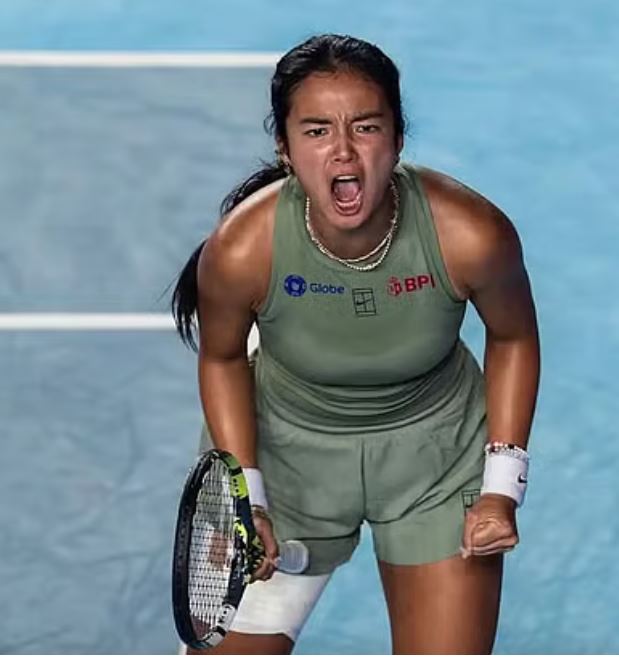
In the rapidly evolving world of tennis, where power, precision, and mental fortitude define success, one young athlete is not just participating—she is making waves. Alex Eala has become a household name in her native Philippines and beyond, embodying ambition, resilience, and a promise of what the future may hold. As a tennis expert, watching her trajectory is a fascinating study: she blends raw athleticism with a calm maturity, and all signs point toward a long and impactful career. This article takes a deep dive into her background, career, style, challenges, and what lies ahead.
- 1. Early Life and Roots
- 2. Junior Achievements and Making History
- 3. Transition into Professional Tennis
- 4. Playing Style and On-Court Characteristics
- 5. Significance and Impact Beyond Tennis
- 6. Challenges and the Road Ahead
- Navigating Tour Life and Consistency
- Handling Pressure and Expectations
- Maximising Potential on All Surfaces
- 7. Recent Highlights and Milestones
- 8. Training, Team and Support System
- 9. What Experts Are Watching
- Growth in Consistency and Depth
- Evolution of Game and Strategy
- Mental and Physical Endurance
- Impact Beyond the Scoreboard
- 10. Forecast and Future Scenarios
- 11. Significance for the Wider Tennis Landscape
- Tennis in the Philippines and Southeast Asia
- Diversity and Globalization of the Tour
- Marketability and New Fan Bases
- 12. Personal Traits and Lessons for Aspiring Athletes
1. Early Life and Roots
Growing up and understanding the formative years of Alex Eala is crucial. The roots of a champion often reveal character, drive, and context.
Family and Beginnings
Alexandra Maniego Eala was born on May 23, 2005, in Quezon City, Philippines. Her mother, Rizza Maniego-Eala, was a competitive swimmer who won a bronze medal at the SEA Games. Her father, Mike Eala, though less publicly documented, provided strong support and a nurturing environment. Growing up in a family familiar with athletic discipline set the tone early.
From a very young age, Alex picked up a racquet. According to the official WTA profile, she started playing tennis at age four. This early start allowed her to develop fundamentals at an age when others are just discovering sport. The combination of supportive family, early exposure, and access to sport gave her a head start.
Relocating to Train and Sacrifices
One of the key turning points in her early development was the decision made when she was around 13 years old: she moved from the Philippines to Spain to train at the prestigious Rafa Nadal Academy in Mallorca. This move marks the beginning of a serious commitment: leaving home, adapting to a new culture, a new training regimen, and all the pressures that come with being in an elite environment.
As one interview noted:
“At just 13, Eala … became a scholarship student at the prestigious Rafael Nadal Academy, where she was training under the watchful eye of the legendary tennis player.”
Such a change is not easy for any teenager: adapting to life away from familiar surroundings, managing homesickness, and embracing the rigours of full-time training. But these sacrifices are what separate promising juniors from those who eventually break through.
Her upbringing and early environment laid the foundation: a supportive sporting family background, early start, and major step overseas for advanced training. Together these aspects created the platform for what was to come.
2. Junior Achievements and Making History
Before she became a name on the professional tour, Alex’s junior career was rich with milestones. Understanding these achievements helps us appreciate how she built confidence and a reputation.
Major Junior Titles and Records
One of the most notable achievements: Alex won the girls’ singles title at the 2022 US Open (Juniors).In doing so, she became the first Filipino to win a junior Grand Slam singles title, and importantly, she accomplished this feat without dropping a set. For a player still so young, that level of dominance is a strong indicator of potential.
Beyond singles, she also captured junior titles in doubles, including girls’ doubles at the 2020 Australian Open and the 2021 French Open. These wins show her all-around game and ability to handle pressure in different formats.
Rising Through the Ranks
As her junior career progressed, Alex Eala climbed the ITF Junior rankings and established herself as one of the top juniors globally. For instance, in 2020, she reached a high point in the girls’ junior circuit. What matters here is not just the titles, but the mindset: she entered tournaments with strategic aims (“I need to build my ITF ranking to qualify for the grand slams,” she said) and showed maturity beyond her years.
Her junior success did more than fill a trophy cabinet—it announced her arrival to the tennis world and raised expectations. For tennis experts, junior performance is a key indicator: technical skills, match temperament, consistency, and the ability to win under pressure. Alex checked many of those boxes early.
3. Transition into Professional Tennis
Moving from junior success to the professional circuit is one of the toughest leaps in tennis. For Alex Eala, this phase has been defined by breakthroughs, learning curves, and historic markers.
Early Professional Steps
Her official professional profile notes that she made her first appearance on the pro circuit in 2020 at the age of 14. Also, she debuted in the WTA Tour qualifying rounds at the 2021 Miami event. These early experiences in professional events gave her exposure to the level of physicality and mental strength required on the WTA Tour.
In September 2024, Alex Eala qualified for the main draw of her first WTA 500 event — the Guadalajara Open Akron in Mexico. This was a significant step: participating in higher-level tournaments offers higher competition and the chance to earn more ranking points and recognition.
First Big Breakthroughs and Historic Wins
2025 has been a banner year for Alex Eala. One of the most headline-grabbing moments came in March when she stunned former Grand Slam champion Madison Keys at the Miami Open. The victory made her the first Filipino woman to defeat a top-10 opponent in WTA history.
Another feather in her cap: at the 2025 Eastbourne Open in England, she became the first player from the Philippines to reach a WTA Tour final. These milestones are not just individual personal victories—they mark national firsts and signal her rising prominence on the global stage.
For experts watching her development, these are the moments that shift a promising player into serious contender territory. The capacity to defeat established stars, to reach tour-level finals, and to handle media attention are all indicators of a player maturing.
4. Playing Style and On-Court Characteristics
Examining how Alex Eala plays gives insight into what makes her competitive and how she might evolve further.
Technical and Tactical Attributes
Alex plays left-handed, which in itself offers strategic advantages: opponents may have fewer matches against left-handers, and angles can shift in her favour. According to her WTA profile, she has a two-handed backhand, and her preferred surface is hard court.
Observers of her game note that she competes with balance: good serve placement, ability to rally from the baseline, and respectable movement for her height (around 1.75m). She has shown a capacity to adapt points, vary spin and pace, and handle longer rallies against top opponents. The win over Madison Keys is a case in point: to beat a top-10 player, she didn’t merely rely on power—she executed tactical patience and consistency.
Mental and Physical Strengths
In tennis, ability is only part of the equation; mental resilience often separates the good from the great. Alex’s move to Spain at a young age, her junior success, and transition to big events suggest she has cultivated mental toughness. She has spoken about being calm, focusing on one match at a time, and acknowledging that each step is part of a bigger journey.
Physically, while she may not yet be among the tallest or most explosive players on tour, she shows good conditioning, and she is developing the strength and stamina required at the top level. For a young athlete, continued improvements in agility, serve speed, endurance and recovery will become increasingly important.
Areas for Improvement
No rising star is without areas to refine. For Alex, while her hard‐court game is progressing well, as of now, adaptation to other surfaces (like clay or grass) will be an ongoing project. Also, translating juniors’ domination into consistent professional wins takes time: handling the physical and emotional toll of the tour, managing burnout, balancing scheduling—all are challenges ahead.
The depth of competition in the WTA means that opponents will increasingly target her weaknesses: mid‐match lapses, first‐serve consistency, or handling tight tie-breaks. As an expert would observe: the foundation is strong, but the next level requires incremental yet persistent improvement.
5. Significance and Impact Beyond Tennis
What makes Alex Eala’s story compelling isn’t just her competitive achievements—it’s also what she represents and the impact she can have.
Inspiring Philippine Tennis and Beyond
Alex Eala holds the distinction of being the highest-ranked Filipino in WTA singles history (reaching No. 50 on November 3, 2025). That alone makes her a trailblazer. In a country where tennis has not often been in the limelight compared to basketball or boxing, her success opens the door for younger generations to consider tennis as a viable pathway.
Articles describe how her victories – especially against major champions – spark hope and pride among Filipinos. Her story becomes about more than tennis; it’s about national representation, self-belief, and forging new possibilities.
Role Model and Cultural Presence
Beyond the court, Alex is emerging as a role model. She has spoken about her responsibility to inspire young athletes, even while acknowledging the pressure. For example, talking about young kids taking inspiration: “They don’t need to take inspiration from me. They can take inspiration from anyone they want.”
Such humility and perspective enhance her influence. She is still young, yet her presence is already shifting perceptions of what Filipino athletes can achieve internationally.
In the broader Asian context, her rise contributes to diversifying tennis’ global map. Many experts point to the importance of representation: when athletes from traditionally underrepresented countries break through, it encourages local interest, investment, and infrastructure development. Alex’s successes could invite more support for tennis in the Philippines, more junior programs, and increased attention.
6. Challenges and the Road Ahead
While optimism is warranted, acknowledging challenges keeps the perspective realistic. For Alex Eala, the path ahead is both exciting and demanding.
Navigating Tour Life and Consistency
Consistency is a major hurdle for any emerging pro. Early in her career, Eala experienced both highs and tougher matches. For instance, she faced early exits in some tournaments, and adapting to the fully professional tour means learning to schedule wisely, prevent injuries, and maintain form across surfaces and time zones.
Also, moving from breakthrough moments to sustained performance is difficult. Beating top players and reaching finals are big steps; converting those into titles and consistent rankings inside the top 50—or higher—is the next challenge.
Handling Pressure and Expectations
As her profile grows, so do expectations. Media attention, national hope, sponsorship demands, and the internal pressure of being “the one to watch” can weigh heavily. For young players, maintaining mental health and balance becomes as crucial as physical training.
Moreover, her competition will no longer view her as a surprise but as a target. Opponents will prepare specifically for her game. Alex will need to continue enhancing her skills, diversifying her tactics, and being adaptable.
Maximising Potential on All Surfaces
Tennis tournaments are played on hard court, clay, and grass; success on one surface doesn’t guarantee success on all. For Alex, improving on clay and grass (which she has some experience with, but less dominance) will broaden her tournament opportunities and ranking potential. For example, she had a strong showing on grass at Eastbourne—yet converting those into more finals and wins is the next step.
Also, staying injury-free and managing the physical toll is key. As matches become more intense and seasons longer, conditioning and recovery are paramount.
7. Recent Highlights and Milestones
Reviewing her most recent achievements helps gauge where Alex Eala stands right now.
Historic Wins and Ranking Milestones
In March 2025, Alex defeated Madison Keys at the Miami Open, becoming the first Filipina woman to beat a top-10 player. In June 2025, she reached the final of the Eastbourne Open, marking the first time a player from the Philippines reached a WTA Tour singles final. And by November 3, 2025 she achieved a career-high ranking of No. 50 in the WTA singles list.
Each of these is a milestone: they show break-through performance, rising ranking, and historic national significance.
Tournament Performance and Progress
Her performances in 2025 show growing comfort on the big stage: she reached the semi-finals of major tournaments, progressed rapidly in ranking, and demonstrated the ability to win key matches. For example, at Eastbourne, she defeated Dayana Yastremska 6-1, 6-2 under windy conditions, showing not only tennis skill but mental control under adversity.
For an expert, these results suggest that Alex is no longer just a promising junior or rising star—she is increasingly a contender, capable of challenging the established names.
8. Training, Team and Support System
Behind any successful professional athlete is a strong team, and in Alex Eala’s case, the training environment and support network play important roles.
Coaching and Academy Environment
Alex trains at the Rafa Nadal Academy in Mallorca, Spain. At that elite institution, she has access to facilities, high-performance coaching, sparring partners, and a professional schedule. Training at such a level fosters an environment of excellence and expectation.
Her coaching also includes personal mentorship: as noted, she attributes much of her growth to the academy and the decision to move at a young age. These resources give her a world-class platform.
Family Support and Personal Foundations
While the academy provides the external environment, the internal foundation—family, values, discipline—cannot be underestimated. Alex has credited her parents and her upbringing for the foundation that allowed her to take big steps. Her mother’s background as a competitive athlete likely helps in understanding the pressures of performance and competition.
Moreover, being away from home at a young age means that emotional and psychological resilience must be strong. The fact that Alex has handled those transitions well speaks to her maturity.
Sponsorship, Brand and Media
As her profile rises, commercial and media attention will increase. Being a professional tennis player today means not only training and competition, but managing media, brand obligations, social media presence, sponsorship activations, and public expectations. For Alex, navigating that layer effectively while staying focused on tennis will be vital.
Her media portrayals—with stories of her being a trailblazer, representing the Philippines, and training in Spain—also help build her personal brand. This support and exposure benefit her career, but they also require balance.
9. What Experts Are Watching
From the perspective of a tennis expert, what are the key indicators to monitor as Alex Eala’s career progresses? Here are several aspects worth paying attention to.
Growth in Consistency and Depth
One of the major differentiators between a person who occasionally beats top players and one who consistently competes at the top level is depth of performance. For Alex, indicators will include: how often she advances to later rounds in major tournaments; whether she maintains rankings inside the top 50 and beyond; how she handles back-to-back events and surfaces; and how she recovers from dips in form.
Evolution of Game and Strategy
As opponents learn her game, Alex will need to evolve. Experts will watch whether she introduces new weapons (for example, a more powerful serve, stronger transition to net, better drop shots or slice variations), whether she improves her defensive skills and counter-punching, and how she adapts tactically to different types of opponents.
Mental and Physical Endurance
Grand Slam tournaments and high-level events put enormous strain on athletes physically and mentally. For Alex, her ability to maintain health, avoid major injuries, recover after long matches, and remain mentally resilient will be crucial. Experts will pay attention to her conditioning, injury history, scheduling choices and how she handles pressure situations (tie-breaks, deciding sets, big matches).
Impact Beyond the Scoreboard
While on-court results are obviously paramount, experts also value the extra-tennis aspects: how she handles media, how she uses her platform to inspire younger players, how she contributes to the sport in her home country, and how she grows as a global athlete. These intangible factors often contribute to a player’s longevity and influence.
10. Forecast and Future Scenarios
Looking ahead, what might the future hold for Alex Eala? While no prediction is certain, several plausible scenarios present themselves, and it’s useful to consider both challenges and opportunities.
Best-Case Trajectory
In an ideal world, Alex continues her upward climb. She breaks into the top 30 or top 20, maybe even top 10 in the coming years. She captures her first WTA singles title (if she hasn’t already), and makes deep runs in Grand Slam tournaments—quarter-finals, semi-finals, or beyond. Her all-surface game becomes more complete, she handles pressure situations with maturity, and she becomes a staple presence in the second week of majors. Simultaneously, she becomes a beacon for Philippine tennis, inspires increased investment in the sport at home, and becomes one of Asia’s leading players.
Realistic Scenario
A more typical evolution might involve incremental improvement: ranking gradually rising, frequent quarter-final and semi-final appearances, occasional breakthroughs but also setbacks. She may win her first WTA title, but it may take a year or two longer. Possibly her Grand Slam breakthrough comes in her mid-20s rather than immediately. Along the way she might face injuries or dips in form, but she recovers and remains a strong presence.
Risks and Potential Setbacks
Every athlete faces risks. For Alex, potential challenges include major injury, burnout (physically or mentally), inability to adapt to evolving competition, or stagnation in ranking. At a young age, being over-committed or pressured into too many tournaments can lead to fatigue. Also, as she takes on higher levels of competition, opponents will be tougher and expectations heavier.
What Needs to Be Maintained
Whatever the scenario, there are key constants: maintain physical fitness, keep improving technically and tactically, stay mentally resilient and grounded, manage schedule and recovery, and maintain the passion for the sport. For Alex Eala, continuing to learn, stay humble, and embrace the process will be central.
11. Significance for the Wider Tennis Landscape
Alex Eala’s rise is not just a personal story: it has implications for the sport more broadly.
Tennis in the Philippines and Southeast Asia
Historically, representation from Southeast Asia in the highest levels of women’s professional tennis has been limited. Alex’s achievements shine a spotlight on the region, potentially accelerating interest, investments and pathways for juniors. Tennis federations, academies, sponsors and governments may see increased incentive to develop infrastructure and support talent. For young players in the Philippines and neighbouring countries, seeing someone from their region succeed creates belief.
Diversity and Globalization of the Tour
Tennis has become increasingly global, and the more players from different regions succeed, the more the sport grows in reach, audience and talent pool. Alex’s success adds to that narrative—encouraging talent from non-traditional powerhouses to believe and compete. For the sport’s growth, such diversity is essential.
Marketability and New Fan Bases
From a commercial perspective, athletes like Alex bring new markets and new narratives. Brands, broadcasters and sponsors are always looking for compelling stories. A young Filipina making major breakthroughs taps into Southeast Asia’s large population and rising interest in tennis. That in turn can uplift the sport in new territories, which benefits the WTA and tennis as a global product.
12. Personal Traits and Lessons for Aspiring Athletes
Beyond the technicalities of tennis, Alex Eala’s journey offers life lessons for aspiring athletes and anyone pursuing high performance.
Embracing Sacrifice and Being Uncomfortable
Leaving home at 13, moving to a different country, training at an elite academy—all these reflect a willingness to step outside comfort zones. For young athletes, this demonstrates that talent alone is not enough; the willingness to sacrifice, adapt and persist is crucial.
Goal-Setting and Patience
From her early statements in junior tournaments, Alex had clear goals: build ranking, qualify for major tournaments, win junior Grand Slams. She didn’t rush unrealistically; she advanced steadily. For anyone in sport or business, this emphasises the value of setting realistic intermediate goals, celebrating each milestone, and then aiming for the next.
Resilience and Handling Pressure
Winning big matches is one thing; handling pressure, setbacks and losses is another. Alex has shown she can beat top-10 players, but she also loses matches, deals with expectations, and must constantly improve. For young athletes, the lesson is: resilience—not just raw talent—is what sustains long-term success.
Representing Something Bigger
Alex Eala doesn’t just play for herself; she plays knowing she represents her country, a region, and many young fans. Embracing that role while remaining grounded gives purpose beyond personal gains. For athletes today, being someone others look up to adds a dimension of responsibility—and opportunity.
Conclusion
Alex Eala’s story is still unfolding, but already it contains the markers of something special. From her early years in the Philippines, to moving to Spain for elite training, to junior Grand Slam triumphs, to historic wins on the professional tour, she has demonstrated the ingredients of future success: talent, discipline, resilience, and ambition