The world of modern work is overflowing with tasks, deadlines, team members, clients, revisions, conversations, reminders, and everything in between. In the middle of all this chaos stands a platform many teams have come to trust, appreciate, and rely on every day: ProofHub. It’s one of those rare tools that feels immediately familiar, yet keeps surprising its users with depth, reliability, and the kind of thoughtful design that only comes from understanding how real teams operate.
- Understanding What Makes ProofHub Stand Out in the Project Management World
- A Look at How the Interface Supports Real Productivity
- The Power of Bringing Everyone Together in One Place
- Why Flexibility Matters in Managing Team Workloads
- How Organization Impacts Team Morale and Efficiency
- How ProofHub Supports Healthy Team Alignment
- Eliminating Miscommunication Through Shared Workspaces
Anyone who has ever worked with a scattered team or a messy project setup knows how essential centralization is. That’s where ProofHub shines without even trying too hard. It’s not loud, it’s not flashy in an overwhelming way, and it doesn’t bury you in complicated processes. Instead, it brings everything together in one clear, steady space where teams can breathe a little easier. Communication, planning, discussions, task organization, updates, approvals, and workflow tracking all converge into a single home base that feels grounded and dependable.
Understanding What Makes ProofHub Stand Out in the Project Management World
To truly understand why people gravitate toward ProofHub, you need to look at the intention behind the platform. This tool wasn’t created to be one more app added to a long list of workplace software. It was built with a vision of clarity, simplicity, and unity. Teams switch between countless apps every single day, and that switching drains energy and attention more than people realize. Proofhub aims to eliminate that fatigue by giving teams one consistent place to think, collaborate, and execute.
Another thing that separates ProofHub from the typical tool is that it doesn’t try to force teams into rigid templates. Many platforms dictate how work must be organized, which can feel almost restrictive. But ProofHub takes a different approach. It offers structure, but it also gives teams room to shape it in a way that matches their own rhythm. That freedom is powerful because no two teams work the same way. Some need flexibility, some need hierarchy, some need creativity, and some need a more traditional workflow. Proofhub adapts beautifully to all of them without creating extra friction.
A Look at How the Interface Supports Real Productivity
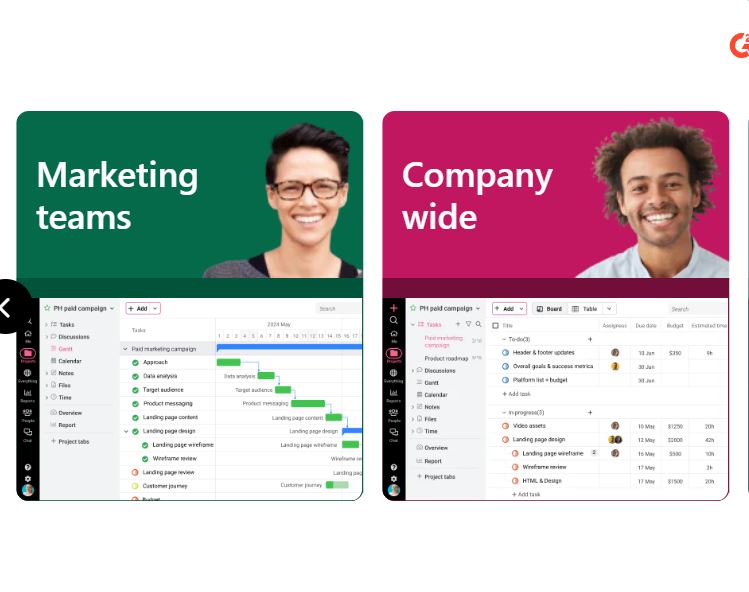
There’s something refreshing about a platform that respects your mental space, and proofhub does exactly that. Its interface is calm, balanced, and intentionally clean. You don’t feel overwhelmed by too many layers or excessive clutter. Instead, you’re greeted by a workspace that gently guides you toward what matters. That kind of interface encourages focus and reduces the cognitive load on teams that already juggle a lot every day.
What really matters is how well the interface aligns with real-world workflows. Proofhub gives users the freedom to jump between discussions, tasks, files, and planning views without losing context. Everything feels connected, but not in a heavy or confusing way. It’s that blend of simplicity and functionality that makes it ideal for new users while still satisfying experienced project managers who need serious organizational power.
The Power of Bringing Everyone Together in One Place
Team collaboration thrives when people feel aligned, informed, and connected. The reality, though, is that remote work, distributed teams, and multi-layered projects often create silos. Proofhub approaches collaboration to break those silos gently and effectively. It doesn’t rely on noisy notifications or overwhelming activity streams. Instead, it focuses on relevant shared spaces where updates, conversations, and action items live together in harmony.
This shared environment becomes especially valuable as teams grow. Different roles, departments, or client groups can still collaborate without stepping on each other’s toes. Proofhub makes sure everyone stays informed at the appropriate level, yet it keeps the entire workspace aligned in a single ecosystem. This balance allows teams to move faster without sacrificing clarity or control.
How ProofHub Reshapes the Way Teams Handle Tasks and Workflows
Task management is often where productivity tools succeed or fail. Plenty of platforms can store a list of tasks, but very few can transform task handling into a smooth, intuitive process. This is where proofhub earns its reputation among project managers and team leads. It brings a sense of order to even the most chaotic workflows, and it does so without making users feel boxed in or micromanaged by the tool itself.
What stands out is how fluid the task system feels in everyday use. Tasks can be organized, reassigned, discussed, and refined in a way that feels natural and human. People don’t need to jump through hoops just to update progress. They simply interact with tasks the same way they would in a conversation with their team. That ease of use encourages consistent updates, which strengthens overall project visibility.
Another important component is how well tasks connect to planning views. Teams can switch from board-style layouts to list-style layouts or even flow-based timelines without losing any data or structure. This flexibility helps different work styles coexist. A creative team might prefer a more visual board layout, while a technical department may prefer a linear structure. Proofhub supports both effortlessly, giving each group the experience that suits them best.
Why Flexibility Matters in Managing Team Workloads
One of the biggest challenges in project management is balancing workloads across teams and individuals. When work is unevenly distributed, people feel stressed, frustrated, or overlooked. Proofhub approaches this problem by making workload visibility clear and actionable. Team leads can see who is overloaded, who is underutilized, and where bottlenecks may appear long before they become real problems.
This macro-level visibility empowers teams to adjust assignments with precision. Instead of guessing who can handle more or less, leaders can rely on clear insights that guide decisions. Meanwhile, team members feel supported because the workload feels more balanced, predictable, and humane. The result is a healthier working rhythm and improved project outcomes.
How Organization Impacts Team Morale and Efficiency
A beautifully organized workspace does more than keep tasks in order; it affects how people feel about their work. When a team works in a mess of scattered tools, disjointed communication, and chaotic task lists, they eventually feel mentally drained. Proofhub offers an environment where structure supports well-being. People know where to find updates, where to store their ideas, and how to access the resources they need.
This sense of organization lifts team morale because clarity reduces stress. When a platform silently organizes the chaos behind the scenes, teams feel more confident and less overwhelmed. That emotional lift has a big impact on productivity. When minds are free from clutter, creativity, focus, and collaboration become much easier.
Communication Made Clear and Simple Through ProofHub
Communication is the glue that holds teams together, and proofhub takes this responsibility seriously. One of the most common problems in collaborative work is that conversations get scattered across emails, messaging apps, file comments, and various other tools. Proofhub solves this by centralizing discussions in one consistent space where context is preserved naturally.
Instead of losing track of important thoughts, teams can anchor their communication directly to tasks, files, or projects. This creates clarity not just for the moment, but for the future. When someone joins a project midway, they can revisit past discussions without the team needing to re-explain everything. The platform keeps a living record of decisions, suggestions, and clarifications in a way that feels organized and easy to follow.
What makes communication inside proofhub truly powerful, though, is how well it adapts to different styles. Some conversations are quick and casual. Others require more thoughtful detail. The platform supports both without pushing users toward one rigid communication format. Instead, it behaves almost like a versatile meeting table where conversations can shift tone depending on the topic and the people involved.
How ProofHub Supports Healthy Team Alignment
Alignment is a fragile thing. It can be lost quickly when communication becomes inconsistent or unclear. With proofhub, alignment becomes a natural byproduct of the environment. When ideas, tasks, files, and decisions live in one unified space, teams stay in sync even without constant check-ins. The platform keeps everyone aware of the larger vision, the smaller milestones, and the ongoing priorities.
This alignment becomes even more critical as teams scale. Larger groups often struggle with communication gaps, where certain details slip through unnoticed. Proofhub fills those gaps intuitively by making all essential information easy to access. When people have that clarity, collaboration becomes smooth and conflict drastically decreases.
Eliminating Miscommunication Through Shared Workspaces
Miscommunication is one of the biggest hidden costs in teamwork. It creates confusion, rework, delays, and frustration. Proofhub addresses this challenge by grounding communication in clearly defined shared workspaces. Tasks come with their own discussion threads. Files come with their own versioning and review spaces. Projects come with their own conversation hubs